Your flooring choices can cost you thousands at resale. Buyers notice the hollow sound underfoot, they wince at that dated gray laminate, and they mentally deduct replacement costs from their offer. Here are the five flooring mistakes that kill your home’s resale value, and what to do instead.
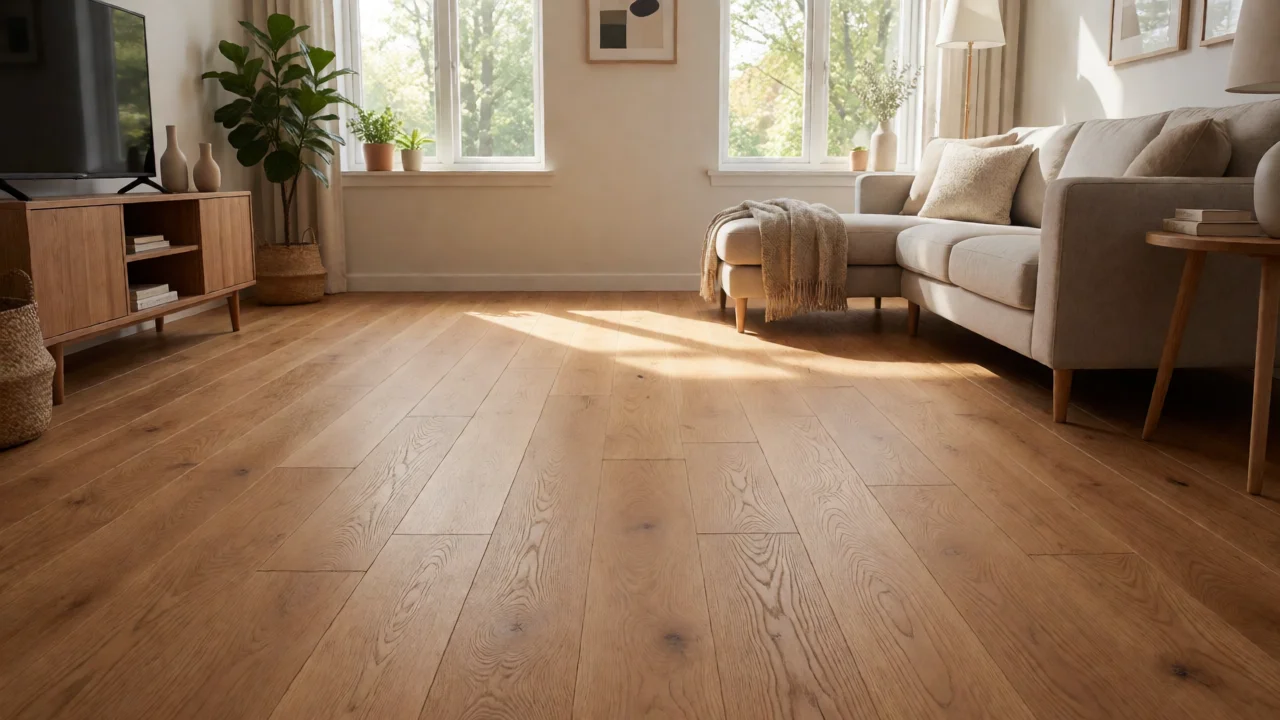
1. Cheap Laminate That Sounds Hollow
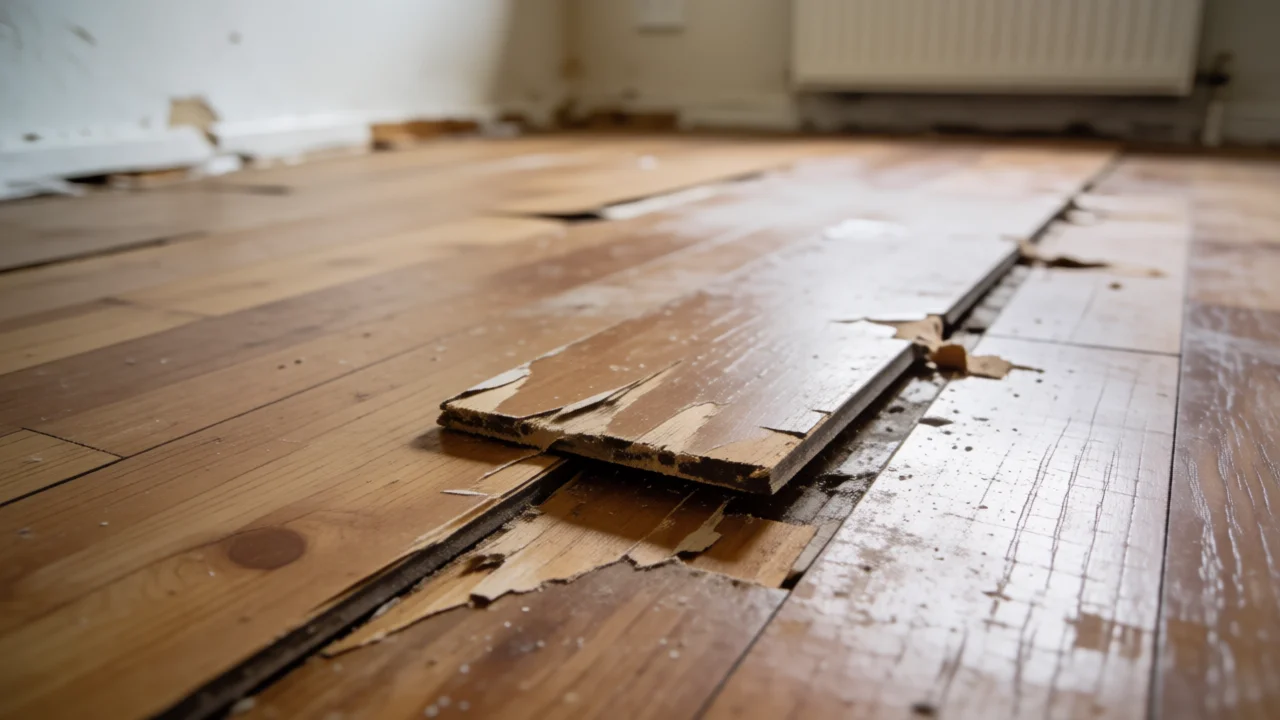
Low-quality laminate can sound hollow or flex underfoot, which may make an otherwise well-presented room feel less finished. Check the floor for movement, damaged edges, and uneven seams before listing.
A visibly worn floor can raise questions about replacement costs. Ask a local real estate agent whether repairing or replacing it makes sense for your market, then compare the likely cost against your selling plans.
What Buyers Hear and Feel
Walk through your home and pay attention. Cheap laminate has a distinctive hollow, clacking sound. It flexes underfoot. The seams feel uneven. Compare that to engineered or solid hardwood, which has a solid, warm feel that buyers associate with quality.
What to do instead: If you’re replacing flooring, invest in products with a thick wear layer and solid core. Our guide on the wear layer explained breaks down what actually matters in flooring construction.
2. Choosing Trendy Gray Flooring
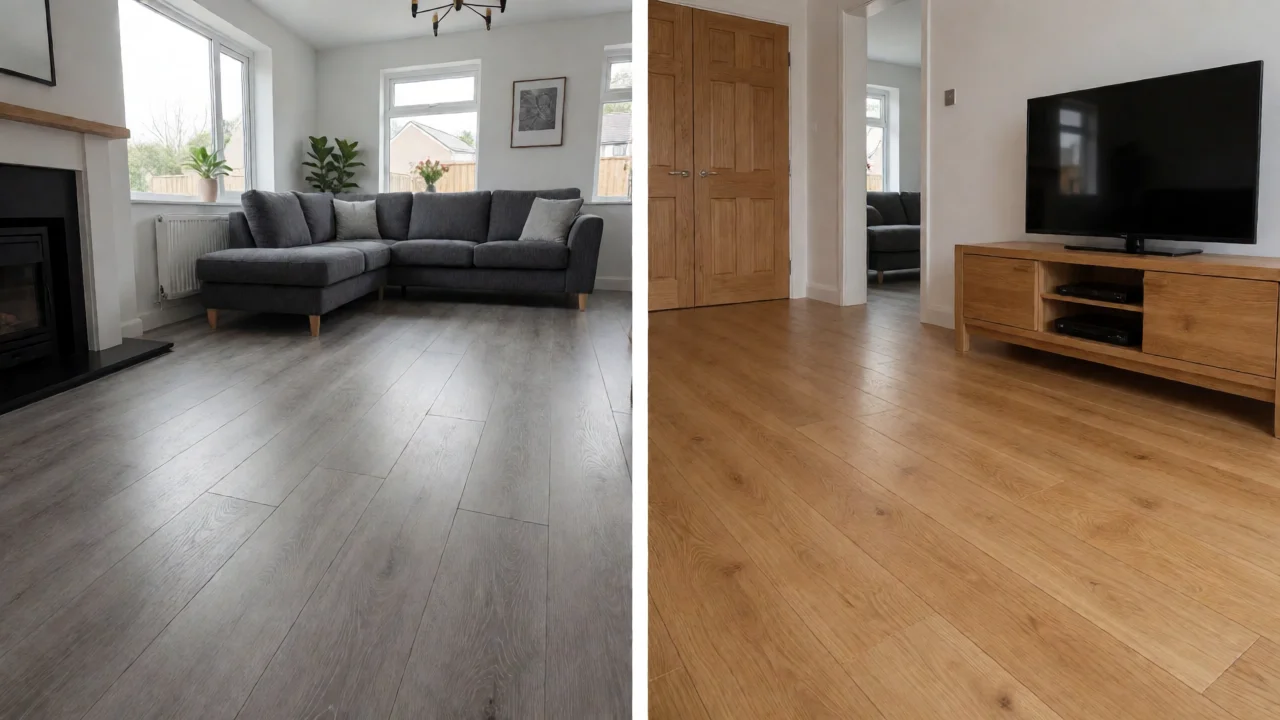
Gray LVP dominated the market for years, but the trend has turned. Builder-grade gray is now actively hurting resale value. What looked modern in 2018 reads as dated in 2026, and buyers know it.
Why Gray Is Losing Value
The problem is twofold. First, gray flooring feels cold and institutional. It lacks the warmth that makes a house feel like home. Second, the saturation of gray in new construction means buyers associate it with builder-grade shortcuts, not custom design.
Gray also photographs poorly for listings. Online buyers scrolling through photos see gray floors and gray walls blending into a lifeless backdrop. Warm-toned flooring pops in photos and draws buyers in.
What to do instead: Stick with mid-tone natural wood tones, warm browns, or classic oak. These colors have decades of proven appeal and never go out of style. If you want a neutral palette, pair warm flooring with light walls for contrast.
3. Going Too Cheap on the Contractor
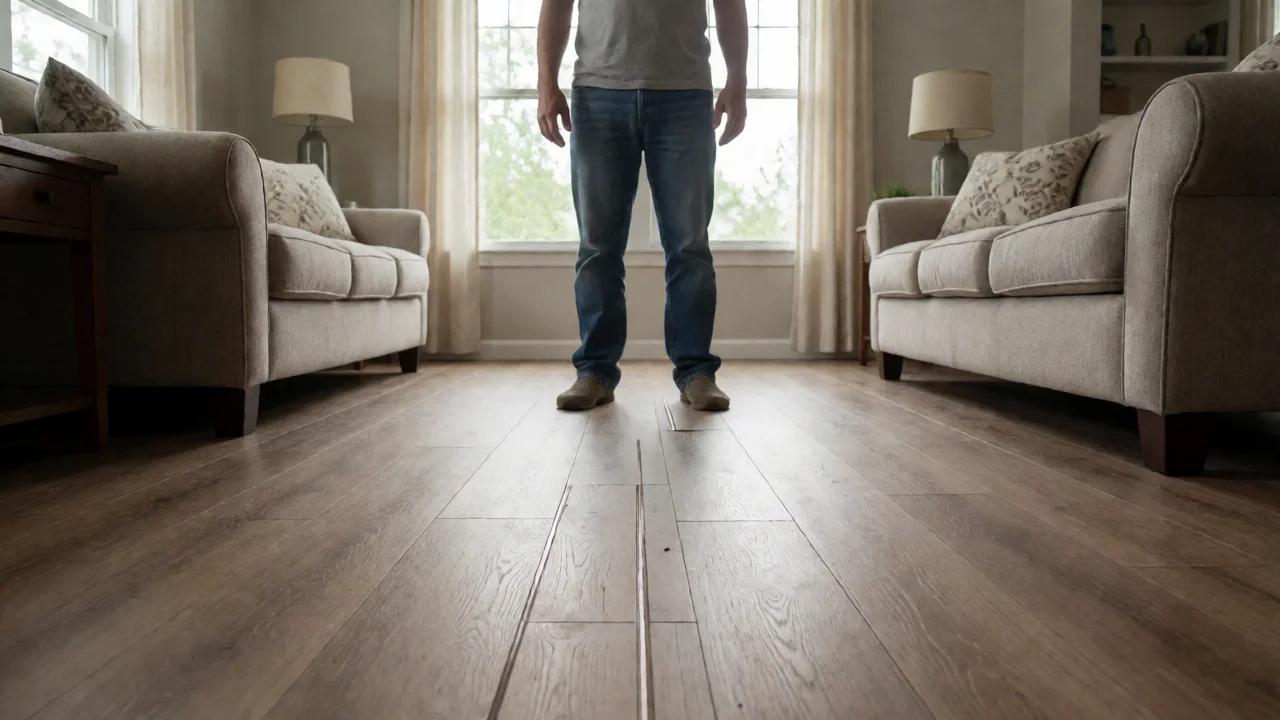
The lowest installation quote is not always the best value. If the work needs to be removed and redone, the extra labor and replacement material can exceed the original price difference. Compare the scope, preparation, warranty, and references before choosing an installer.
How Bad Installation Kills Resale
Poor installation shows up in ways that hurt resale value:
- Uneven seams and gaps that collect dirt and look sloppy
- Improper acclimation leading to gaps and buckling within months
- Mismatched transitions between rooms that look like afterthoughts
- Wrong direction installation making rooms feel smaller and disjointed
Buyers spot these issues immediately. A floor laid in the wrong direction or with improper stagger patterns screams amateur work.
What to do instead: Get at least three quotes. Check references. Ask to see photos of completed work. A quality installer charges more upfront but saves you from the costly cycle of removal and reinstallation.
Plan your layout before installation begins so your contractor has clear direction from the start.
4. Picking Floors That Show Every Speck
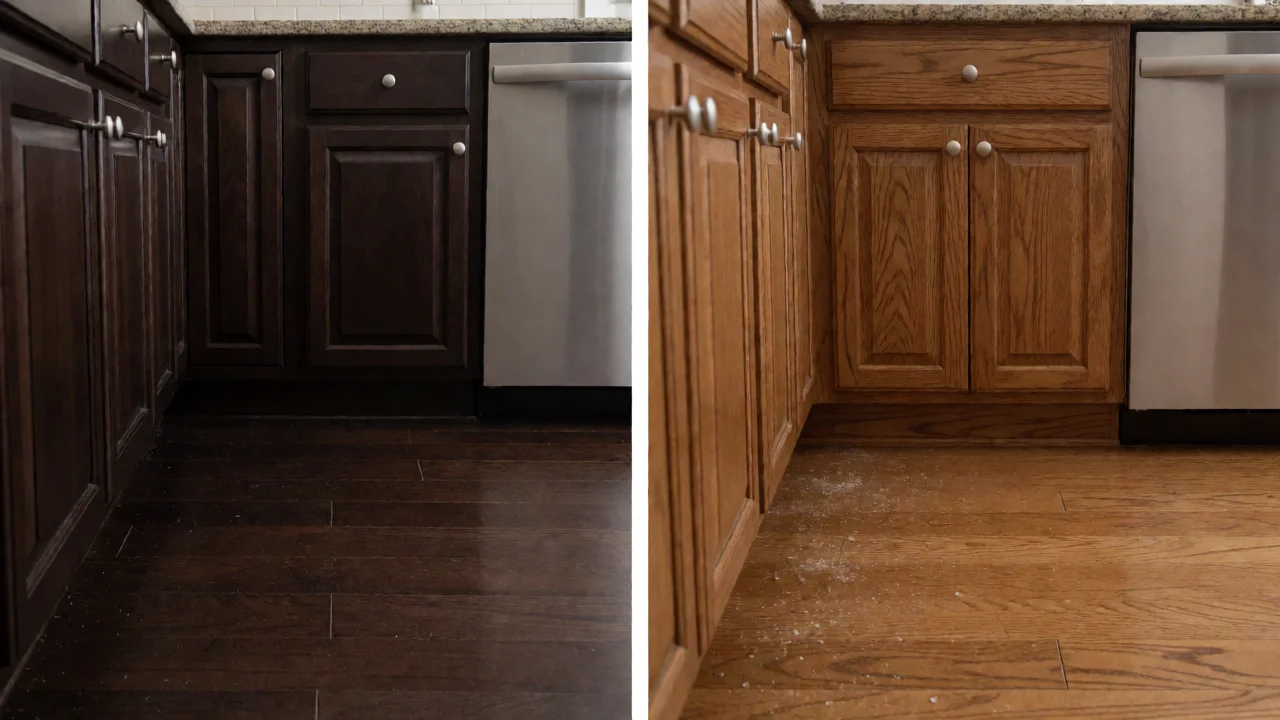
Dark flooring looks dramatic in showrooms. In a lived-in home, it’s a maintenance nightmare. Dark hardwood, black tile, and deep espresso LVP show every crumb, dust particle, and pet hair the moment they land.
The Dark Floor Problem at Resale
When buyers tour a dark-floored home, they see every imperfection. Even after professional cleaning, dark surfaces reveal footprints, water spots, and micro-scratches. Buyers mentally project the daily upkeep onto themselves and deduct from the offer.
Dark floors also make rooms feel smaller and less inviting. Natural light gets absorbed rather than reflected, creating a cave-like effect that works against spaciousness.
What to do instead: Mid-tone floors are the sweet spot. They hide everyday wear, photograph beautifully, and appeal to the broadest range of buyers. Medium oak, warm walnut, and natural maple tones strike the right balance between character and practicality.
For kitchens specifically, check our guide on the best flooring for kitchens to match durability with style.
5. Ignoring Flow and Transitions
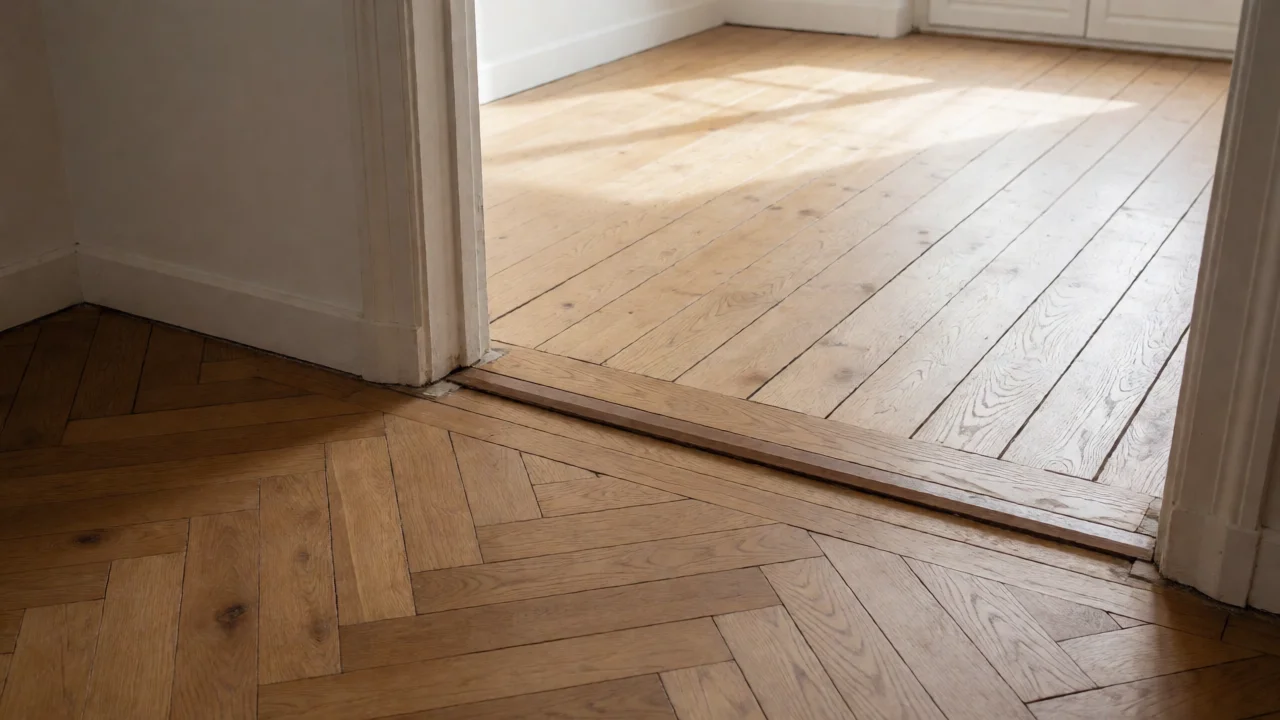
Flooring that doesn’t flow from room to room makes your home feel like a patchwork of half-finished projects. Mismatched transitions, abrupt color changes, and inconsistent plank directions all signal neglect to buyers.
Common Flow Mistakes
Here’s where sellers go wrong most often:
- Switching flooring types at every doorway instead of running one material through connected spaces
- Mismatched thresholds that look like the homeowner gave up halfway through
- Pattern breaks where herringbone meets straight plank without a logical transition
- Color mismatches between rooms that look accidental rather than intentional
If you’re considering pattern options, our comparison of herringbone vs. chevron flooring covers how to choose patterns that work together. And before you commit, use a flooring waste calculator to make sure you order enough material for consistent coverage across rooms.
What to do instead: Use one primary flooring material through your main living areas. When transitions are necessary, invest in quality transition strips that match or complement the flooring. Plan the full layout before purchasing so every room connects intentionally.
Our floorboard layout planning guide walks you through creating a cohesive plan across your entire home.
Open the Floor Planner to visualize how your flooring choices flow through connected spaces before you buy a single plank.
Frequently Asked Questions
Does cheap laminate flooring lower home value?
It can affect a buyer’s impression if it is visibly worn, damaged, or poorly installed. There is no universal percentage: the effect depends on the home, local market, and condition of the floor.
What flooring color is best for resale value?
Mid-tone hardwood or engineered wood in warm brown or natural oak tones. Gray flooring is now dated and actively hurts resale. Dark floors show dust and pet hair. Mid-tone floors photograph well and appeal to the widest range of buyers.
Should I install flooring before selling my house?
Only if your current flooring is damaged, visibly worn, or a major turn-off. If your existing floors are in good shape and neutral in color, buyers may prefer to choose their own. A strategic upgrade in high-traffic areas like kitchens and entryways often gives the best return.
What direction should I lay flooring to maximize resale?
Lay planks perpendicular to the longest exterior wall or toward the main light source. This creates a sense of spaciousness and looks intentional. Running flooring the wrong way can make rooms feel smaller and disjointed.
How much does bad flooring reduce a home’s resale value?
There is no reliable universal percentage. The impact depends on the extent of the damage, the cost of replacement, and your local market. Get local advice and repair quotes before assuming a particular return.
About the Author
The team at FloorboardPlanner.com helps homeowners make smarter flooring decisions through free planning tools and practical guides. Whether you’re choosing materials, planning layouts, or comparing options, the goal is the same: help you get it right the first time and avoid costly mistakes.