What Is Hardwood Flooring?
Solid hardwood flooring is milled from a single piece of timber – typically oak, maple, hickory, or walnut. Each plank is 3/4-inch thick and can be sanded and refinished multiple times over its lifespan. If you want the real deal, nothing matches the warmth and character of natural wood grain underfoot.
Engineered hardwood uses a real wood veneer bonded to layers of plywood or high-density fiberboard. It looks nearly identical to solid hardwood but handles humidity swings better. You can learn more about the differences in our engineered vs solid hardwood flooring guide.
What Is Laminate Flooring?
Laminate flooring is a synthetic product built in layers. A high-resolution photographic image sits on top of a dense fiberboard core, sealed with a tough melamine wear layer. Modern laminate does a convincing job mimicking wood, stone, or tile – but it is not real wood. The surface is printed, not grown.
Cost: Hardwood vs Laminate
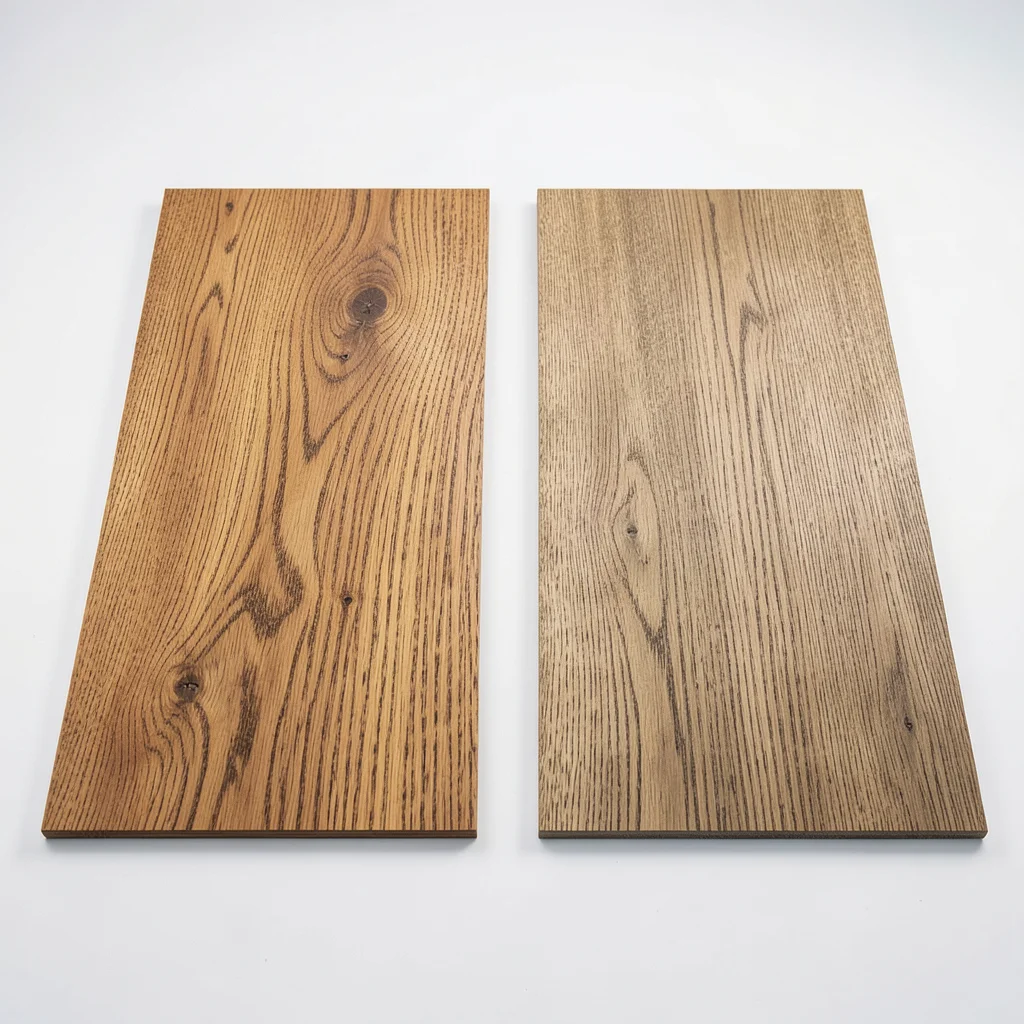
Material Costs
- Hardwood: $6 – $15+ per sq ft (domestic species). Exotic woods like Brazilian cherry or teak push that to $15 – $25+. (all prices in USD)
- Laminate: $1 – $5 per sq ft. Premium options with textured surfaces reach $7 – $8.
Installation Costs
- Hardwood: Professional installation runs $4 – $8 per sq ft. Nail-down or glue-down methods take longer and cost more.
- Laminate: $2 – $4 per sq ft professionally installed. The click-lock system is faster, which keeps labor costs down.
Total Project Cost (500 sq ft room)
- Hardwood: $5,000 – $11,500+ installed
- Laminate: $1,500 – $4,500 installed
Laminate costs roughly 50 – 70% less than hardwood. That gap narrows if you choose premium laminate or budget domestic hardwood, but the price difference remains significant for most projects. To understand total costs including labor, see our flooring installation cost breakdown.
Durability and Lifespan
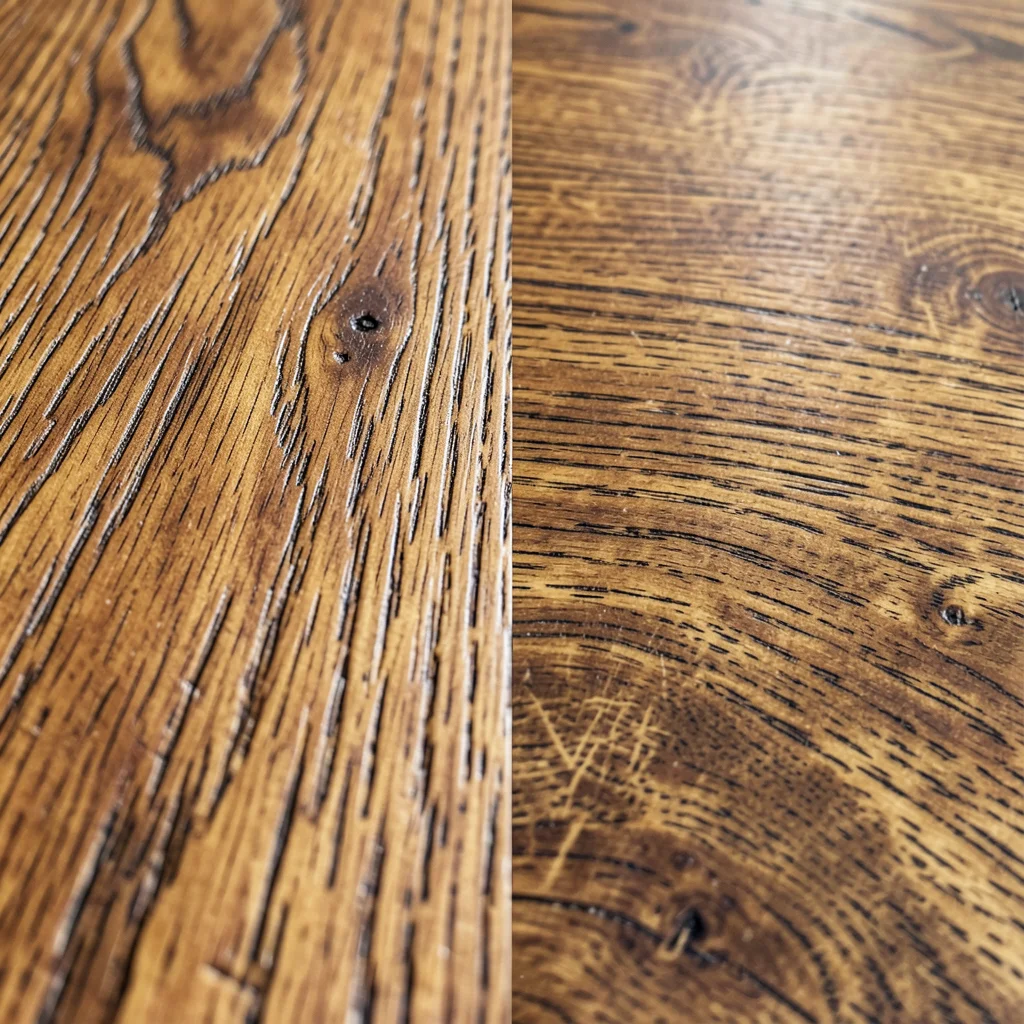
Hardwood Durability
Solid hardwood lasts 50 – 100+ years with proper care. Scratches and dents can be sanded out and the floor refinished multiple times. That ability to renew the surface is hardwood’s biggest durability advantage.
- Janka hardness rating varies by species: red oak (1,290), hickory (1,820), Brazilian cherry (2,350)
- Susceptible to water damage – standing water warps and stains wood
- Scratches from pets, furniture, and grit accumulate over time
- Can be refinished 3 – 5 times over its life
Laminate Durability
Laminate lasts 15 – 25 years on average. The melamine wear layer resists scratches and fading well, but once it wears through, you cannot sand or refinish the floor. Deep scratches and chips mean replacing individual planks – or the entire floor.
- AC rating (Abrasion Class) from AC1 (light residential) to AC5 (heavy commercial)
- Better scratch resistance than hardwood thanks to the aluminum oxide wear layer
- Poor water resistance – standard laminate swells when water seeps into seams
- Cannot be refinished – damage is permanent
- Newer waterproof laminates with waxed edges handle moisture much better
Water Resistance
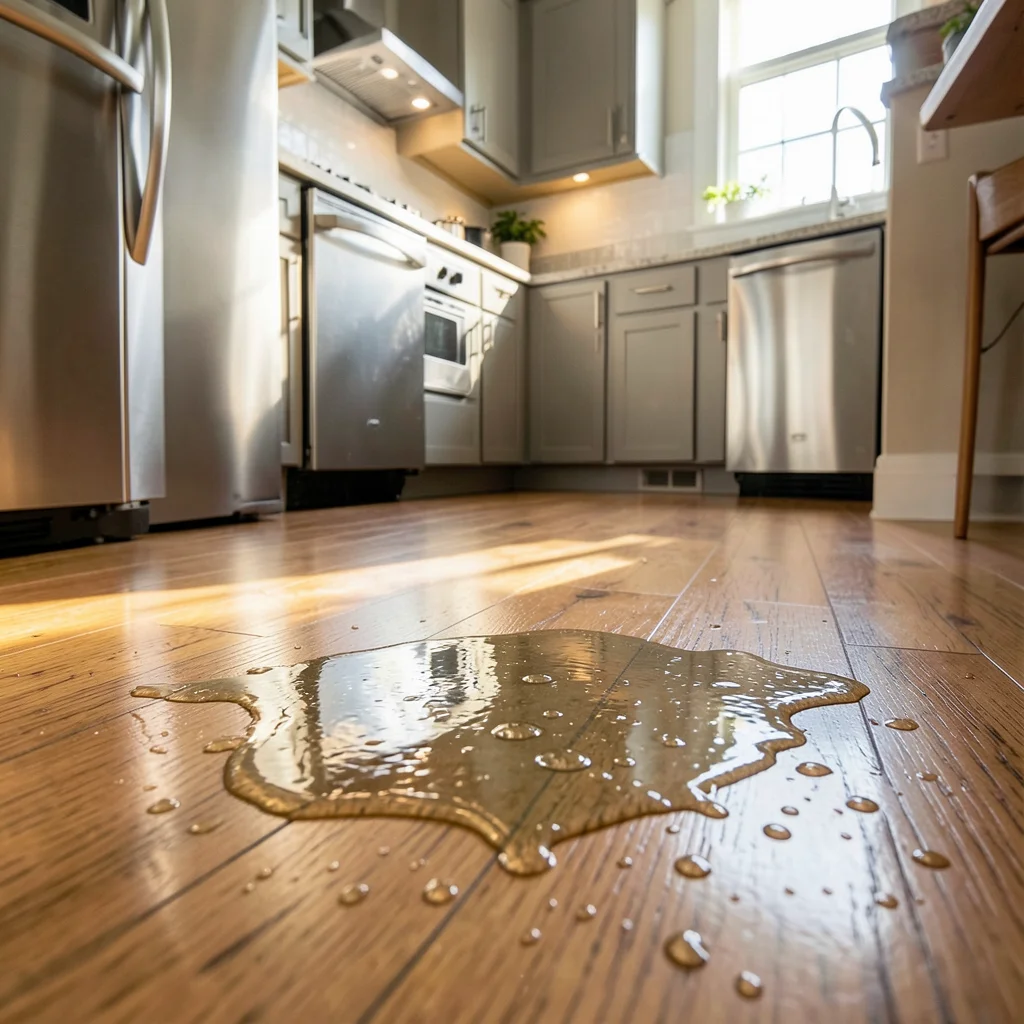
This is where the comparison gets interesting in 2026. Traditional laminate was a disaster around water – the fiberboard core swelled and bubbled at the first sign of a spill. Newer waterproof laminate options with sealed edges and enhanced cores have closed the gap significantly.
- Hardwood: Not waterproof. Spills should be wiped up immediately. Warping and cupping are real risks in bathrooms and basements.
- Standard laminate: Poor water resistance. Avoid in kitchens, bathrooms, and laundry rooms.
- Waterproof laminate: Handles spills and moisture much better. Look for products rated for 24 – 72 hour water exposure.
Neither option matches the waterproof performance of luxury vinyl plank (LVP), but waterproof laminate comes closer than most people expect.
Installation: DIY vs Professional
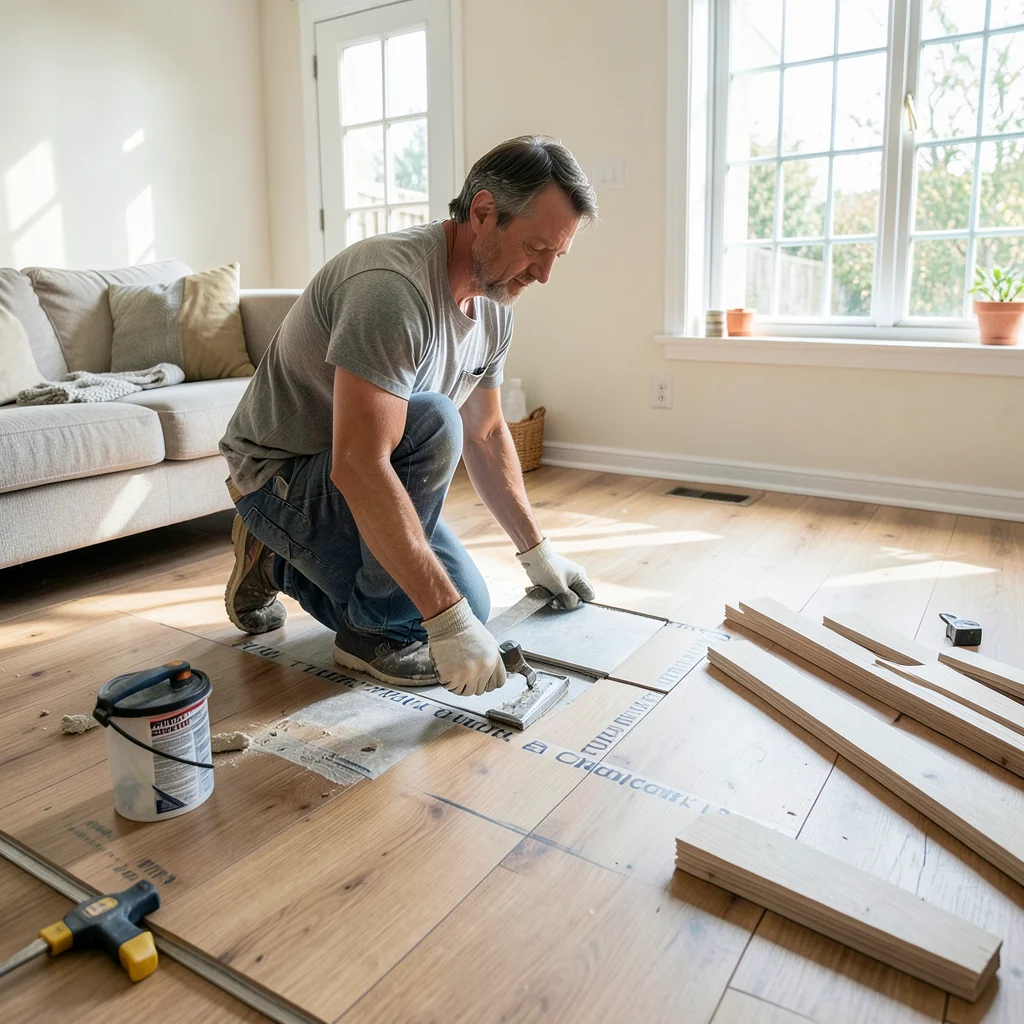
Hardwood Installation
Solid hardwood requires nail-down or glue-down installation over a wood subfloor. This is a skilled trade – most homeowners hire a professional. Engineered hardwood offers more flexibility with floating and click-lock options, making it more DIY-friendly.
- Requires acclimation (3 – 7 days in the room before installation)
- Subfloor must be level within 3/16 inch over 10 feet
- Professional installation recommended for nail-down solid hardwood
- Planning your layout direction matters – read our guide on which direction to lay hardwood flooring
Laminate Installation
Laminate uses a click-lock floating floor system. The planks snap together over an underlayment without nails or glue. This is one of the most DIY-friendly flooring installations available.
- No acclimation period required for most products
- Installs over concrete, plywood, or even existing vinyl
- Most handy homeowners can complete a room in a weekend
- Avoid stagger pattern mistakes that weaken the floor and look awkward
Tip: Whether you choose hardwood or laminate, planning your layout before you start saves time and material. Use our floorboard layout planning guide to map out your room, or try the Floorboard Planner app to visualize your pattern before you cut a single plank.
Maintenance and Cleaning
Hardwood Maintenance
- Sweep or vacuum regularly (use a hard floor setting, no beater bar)
- Damp mop with a wood-safe cleaner – never soak the floor
- Refinish every 7 – 10 years to restore the surface
- Use furniture pads and area rugs in high-traffic zones
- Control indoor humidity between 35 – 55% to prevent gaps and cupping
Laminate Maintenance
- Sweep or vacuum regularly
- Damp mop with laminate-specific cleaner – excess water is the enemy
- Cannot be refinished – scratches and wear are permanent
- Use furniture pads to prevent dents
- Avoid steam mops – the heat and moisture can damage the core
Appearance and Resale Value
Don’t budget for a guaranteed resale uplift from either hardwood or laminate. Before replacing a floor to sell your home, compare its condition and installation quality with local buyer expectations. Ask a local real estate professional whether the proposed upgrade is likely to justify its cost.
Up close, hardwood has a depth and warmth that laminate cannot fully replicate. The grain pattern is three-dimensional – you can feel the texture. Laminate’s photographic layer looks convincing from standing distance but reveals its flat, printed nature at close range. That said, premium laminate with embossed-in-register (EIR) texture comes surprisingly close.
If you care about pattern variety, both options offer interesting layouts. Check out our comparison of herringbone vs chevron flooring patterns – these designs work with both hardwood and laminate planks.
Best Rooms for Each Flooring Type
Choose Hardwood For:
- Living rooms and formal spaces – where appearance and resale value matter most
- Bedrooms – warmth and comfort underfoot
- Dining rooms – timeless look that handles foot traffic well
- Hallways – high-traffic durability with refinishing option
Choose Laminate For:
- Budget-conscious renovations – get the wood look at half the price
- Rental properties – attractive, durable, and easy to replace
- Basements (waterproof laminate only) – handles below-grade moisture better than hardwood
- Kids’ playrooms – scratch-resistant surface handles toys and rough play
- DIY projects – click-lock installation needs no special tools
Environmental Impact
Hardwood is a natural, renewable resource. Responsibly harvested wood (look for FSC certification) has a lower environmental footprint than many synthetic alternatives. Old hardwood floors can be salvaged, repurposed, or recycled.
Laminate uses a photographic layer over composite wood fibers. It contains formaldehyde-based adhesives in some products (look for CARB Phase 2 or E1 certification for low emissions). Laminate is harder to recycle due to its mixed-material construction.
Quick Comparison Table
| Feature | Hardwood | Laminate |
|---|---|---|
| Cost (installed) | $10 – $23/sq ft | $3 – $9/sq ft |
| Lifespan | 50 – 100+ years | 15 – 25 years |
| Water Resistance | Poor | Poor to Good (waterproof options) |
| Scratch Resistance | Moderate | High |
| Can Be Refinished | Yes (3 – 5 times) | No |
| DIY Installation | Difficult (solid) / Moderate (engineered) | Easy |
| Resale Value | No guaranteed resale uplift | No guaranteed resale uplift |
| Best For | Living areas, bedrooms, resale | Budget projects, rentals, DIY |
Which Should You Choose?
There is no universal winner. Your choice depends on your budget, how long you plan to stay in the home, and which rooms you are flooring.
Choose hardwood if: you want a floor that lasts decades and can be refinished to look new again. It is the premium choice for living spaces where appearance matters.
Choose laminate if: you need an affordable, scratch-resistant floor that installs fast. Modern laminate looks better than ever, and waterproof options make it viable in rooms where hardwood would be risky.
Either way, planning your layout before installation saves headaches. Try the Floorboard Planner app free to map out your room, test different plank directions, and calculate exactly how much material you need.
If you are comparing these materials before selling, review the flooring mistakes that can weaken a home’s presentation, including wear and installation issues.
Frequently Asked Questions
LVP is another popular alternative to traditional hardwood. See our LVP vs hardwood comparison for a full three-way breakdown.
Is hardwood or laminate better for resale value? +
Can you put laminate flooring in a bathroom? +
How long does hardwood flooring last compared to laminate? +
Which is easier to install, hardwood or laminate? +
Does laminate flooring look cheap? +
Written by the Floorboard Planner Team
This guide was created by the team at Floorboard Planner, a flooring layout planning tool used by homeowners and contractors to plan plank layouts, calculate material needs, and avoid costly mistakes before installation day. The FloorboardPlanner team writes practical guides about hardwood, laminate, engineered wood, and vinyl flooring layout decisions.
Ready to Plan Your Floor?
Plan your next project with Floorboard Planner – free, browser-based, no credit card required. Get a millimeter-accurate blueprint and cutlist in minutes.
Try Floorboard Planner Free →